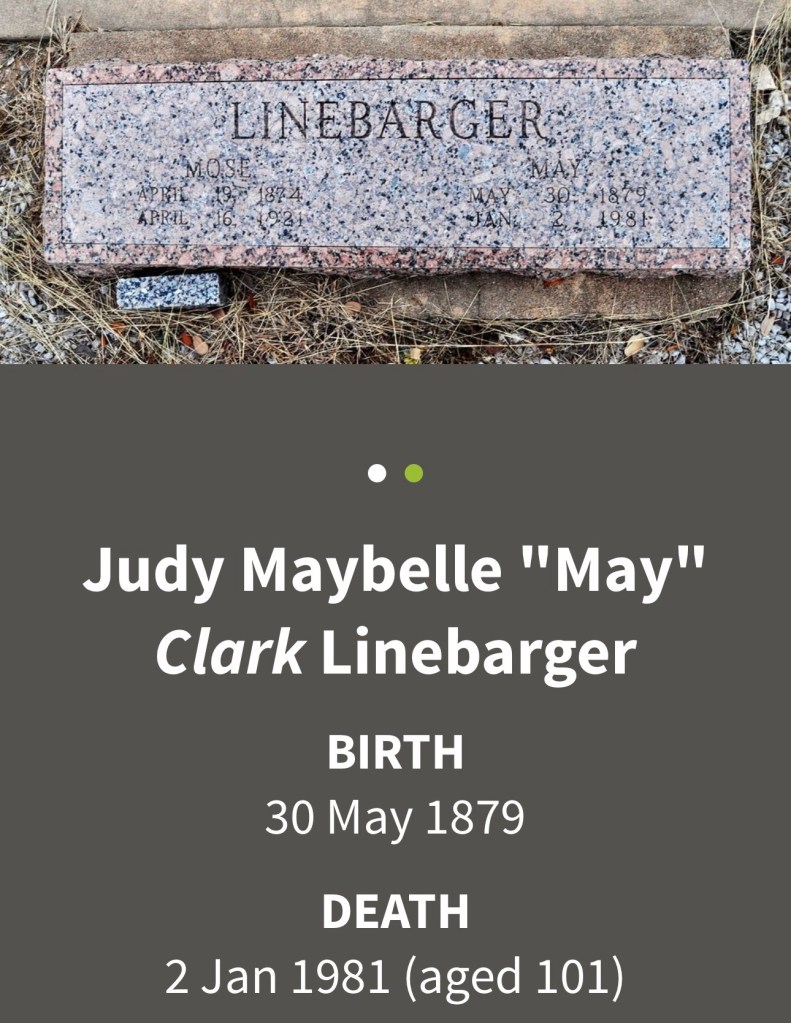
This story is about my G-Grandmother’s Family, The Clark’s.
I let May 30 pass this year without mentioning Momma May, which would have been her 147th birthday.
I knew this story was around somewhere from a previous post and finally ran across it this morning.
It’s a story about Momma May’s parents, a few years before her birth.
I can’t help but think about the “Little Things That Happen” in our lives that alters history. This is one of those times that perhaps the actions of G-G-Grandpa Hugh Clark impacts so many of Burnet County’s current residents. We’ll never know, but the possibilities are there.
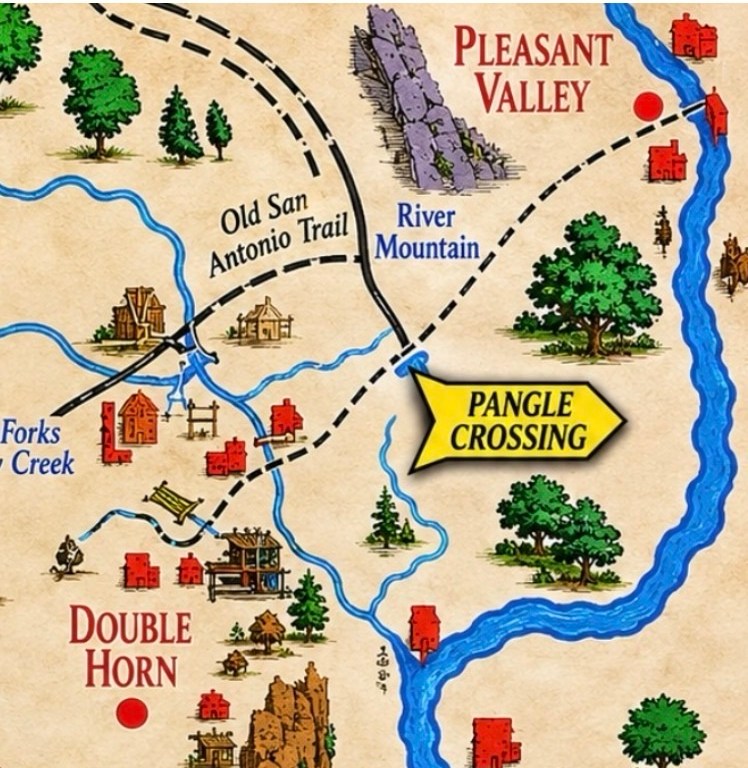
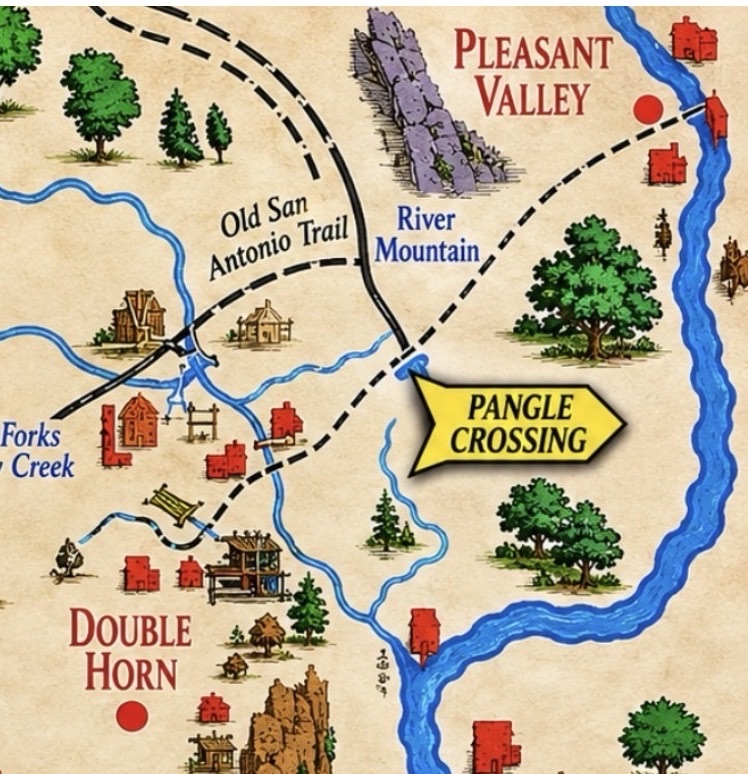
The following was written by Oleta Bible Phinney and given to Curtis Clark: “Our mother, Marie Bible, loved to tell this bit of history about her grandparents, Hugh and Mary Ann (Bible) Clark. There were four children, Joseph Ezra, Mary Ellen, John Mordecai and William Andrew when they left Tennessee and came to Texas in 1873. They settled in the Double Horn community and were living on the Colorado River, in view of Pangle Ford, when this happening took place around 1875.
One morning at breakfast, Grandma Mary Ann told Grandpa Hugh dinner would be early that day. She wanted to spend the afternoon visiting Martha (Kinser) Bible in Pleasant Valley. Grandpa told her he had heard of Indians in the country and went on to work. They ate early as she had planned. Grandma reminded Grandpa to saddle the horse and bring it to the house for her. He pointed out that it was not safe and she should wait a few days until the Indians had left the country. This typical pioneer woman let him know, Indians did not scare her, she would be going as soon as the kitchen was cleaned and the two youngest children were ready. Grandpa made no answer, he just went on toward the lot.
When all were ready, they went outside to be on their way. The horse was not there! Grandpa had not saddled it. So, she would do it herself, but the gate had been left open and the horse was gone. An angry woman went back to the house to change herself and the children to their everyday clothes. Her plans were ruined!
A short time later she passed by the door and glanced toward the river. Her anger was short-lived; three Indian braves, wearing war paint, were riding down the hill to Pangle Ford. To her relief, they did not cross the river but turned and continued down the river road until they went from view. She and the children would have been crossing the river or would have met the Indians as they came down the hill.
Who knows what might have happened if a less determined Grandpa had saddled the horse instead of taking it with him?”
This map shows roughly where Pangle Crossing was.
 Angora Chronicles