Taggants is a word I have seldom used, but I’ve held it in my mind for the past almost fifty years.
Yesterday I was watching an episode of Forensic Files. A very dated episode at that made probably 20 years ago. It was about a bomb left beneath the drivers seat of a pickup in a steel plant near Baltimore. This incident happened in the early 1980s. The case was solved because a keen investigator saw tiny, almost grain of sand sized particles of plastic fragments in the blast residue. That investigator was aware that there were experimental markers being added to dynamite and other explosives for the very purpose of tracing their origins.
It was a program that was found to be too costly, along with other potential issues, so it was soon discontinued. Only a small percentage of dynamite produced ever had these “taggants” added to them. It seems like the bomb maker really had some bad luck going for him, as not for that they think there was nothing else that would have got him caught.
So to tell you when I’d ever heard of this: I had a friend that was working as a firefighter in Houston. He and his wife were living in Austin. He commuted by motorcycle to get to work for each shift. It was taking a toll on him so he asked if I had a job he could do, as he was ready for something different. I had just started a new project building the Guadalupe State Park, which was down south in Comal County.
I ended hiring my friend. Since I was driving back and forth each day, it was nice to have someone ride the hour and a half each way. During his time as a Fireman or perhaps during his time in the service he attended classes or a seminar where he learned about the Taggant Program, that he shared on one of those drives. He saw great promise in Taggants being added to even gasoline, to help catch arsonists. For whatever reason I’ve had that technology in my mind ever since, but only watching that program caused me to really think about that conversation just short of five decades ago.
For those of you from Marble Falls, you may remember this friend I spoke of, Carroll Ray Lewis. He only worked a short while before he moved on to work with a company his sister Dixie was with, selling life insurance.
Reviewing his obituary, he may have learned about taggant technology while in the Air Force.
https://www.tributearchive.com/obituaries/16223580/carroll-lewis
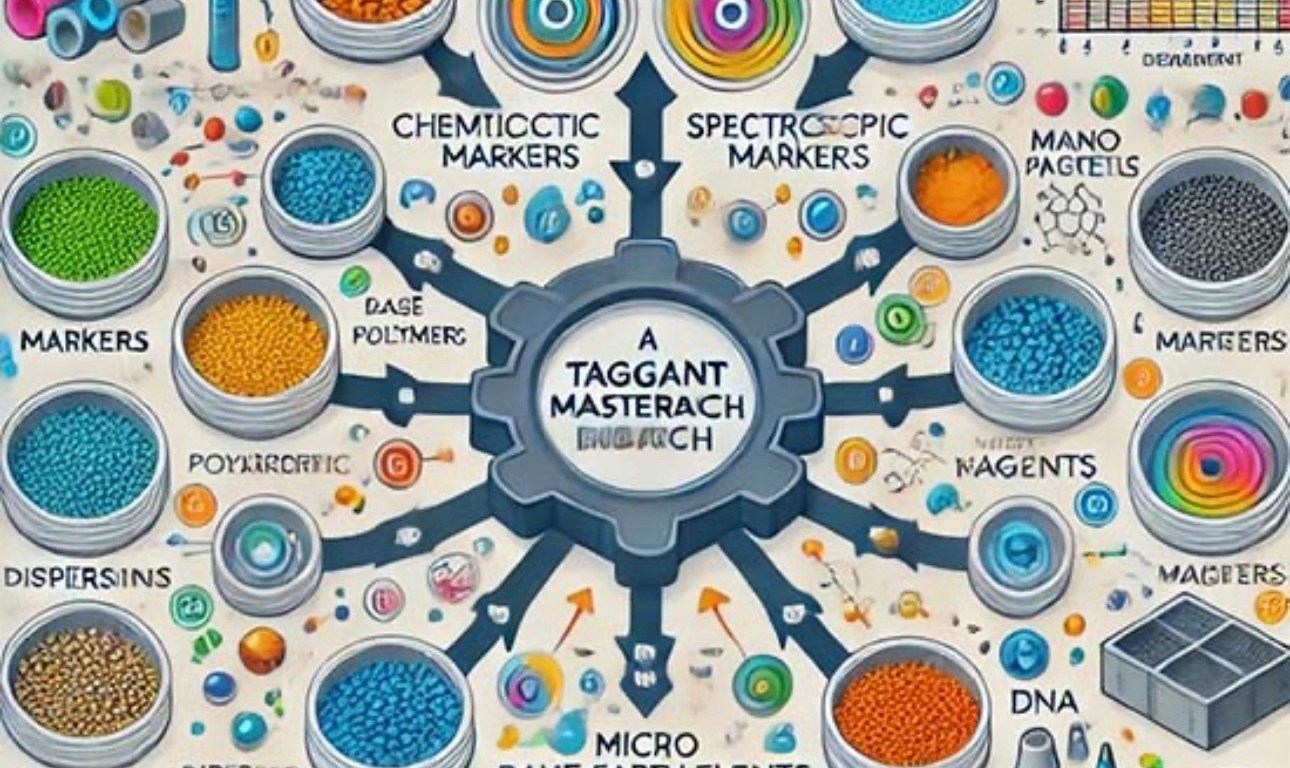
This is how taggants are described by AI: Taggants are microscopic or chemical markers intentionally added to explosives during manufacturing to aid in identification, traceability, and forensic analysis after detonation or discovery. They help law enforcement track the origin, manufacturer, and distribution chain of explosive materials, which is crucial for investigations into bombings or illegal use.
Purpose and Benefits
The primary goal of taggants is to deter misuse and facilitate post-explosion investigations. For instance:
• Pre-detonation detection: Some taggants can be detected by specialized scanners at airports or borders, though this is less common for all types.
• Post-detonation tracing: Surviving fragments can reveal batch numbers, production dates, or manufacturer details, helping link explosives to suspects or suppliers.
• Benefits include reducing terrorism risks, improving safety in mining/industrial applications, and aiding in accident investigations.
However, not all explosives are required to have taggants, and implementation varies by country and type of explosive.
Types of Taggants
There are two main categories:
1. Identification taggants: These are durable particles (e.g., color-coded plastic microspheres or fluorescent markers) that encode information like a serial number. They survive blasts and can be recovered from debris.
2. Detection taggants: Volatile chemicals added for easier pre-explosion detection by dogs or sensors, though these are rarer due to cost and stability issues.
Common materials include rare earth elements, polymers, or isotopically labeled compounds.
History and Regulations
The concept gained traction in the 1970s amid rising terrorism concerns. In the US, the Antiterrorism and Effective Death Penalty Act of 1996 mandated studies on taggants, but full implementation was limited due to industry opposition over costs, safety (potential instability), and effectiveness. Switzerland has required taggants in commercial explosives since 1980, serving as a model.
In the US, taggants are mandatory for plastic explosives under the 1988 UN Convention on the Marking of Plastic Explosives, but not for black powder or most commercial blasting agents. The ATF maintains a database of tagged explosives, but broader adoption stalled after a 1997 National Research Council report cited technical challenges.
Challenges and Controversies
• Cost: Adding taggants increases production expenses by 5-10%, potentially burdensome for industries like mining.
• Effectiveness: Critics argue taggants may not survive all explosions or could be removed by sophisticated users.
• Privacy/security: Some worry about government overreach in tracking legal users.
• Homemade explosives (e.g., from fertilizers) often lack taggants, limiting utility in many incidents.
Recent discussions, especially post-9/11, have revisited mandatory tagging for ammonium nitrate and other precursors. Research continues into nanotechnology-based taggants for better durability.
For specific applications or current policies, consulting official sources like the ATF or UN treaties is recommended.
 Angora Chronicles